AI Product Owner

AI Product Owner : Use Cases with Examples and Tools

The Product Owner role has shifted from just being a requirements proxy to a strategic, data-driven leader. By leveraging AI Product Owner now automate backlog workflows, analyze massive data sets for feedback, generate and refine user stories, predict value delivery, and enable smarter decision-making—streamlining the entire product lifecycle. AI is transforming the AI Product Owner […]

AI Product Owner : Use Cases with Examples and Tools Read More »

SAFe Scrum Master (SSM) Certification with FAQ and Tips

The SAFe Scrum Master certification has become one of the most sought-after credentials for Agile professionals looking to advance their careers in scaled Agile environments. The SSM (recently renamed to “Scrum Master/Team Coach” in SAFe 6) serves as a servant-leader for Agile teams within the Scaled Agile Framework. Unlike a traditional Scrum Master, whose responsibilities

SAFe Scrum Master (SSM) Certification with FAQ and Tips Read More »

Effective User Interviews in Scrum Framework

Effective User interviews play a crucial role in Scrum methodology, helping Product Owners and Scrum Teams gather valuable insights to inform product development and improve user experience.  Why effective user interviews matter in Scrum Scrum doesn’t prescribe specific discovery techniques, but it assumes continuous learning about users and markets. User interviews are crucial because they:

Effective User Interviews in Scrum Framework Read More »

User Research Tools and Techniques for Product Owners

Product Owners should be well-versed in various user research tools and techniques to effectively understand user needs, validate product ideas, and drive informed decision-making. User research is a systematic process of gathering and analyzing information about users to inform the design and development of products or services. It involves studying user behaviors, needs, motivations, and

User Research Tools and Techniques for Product Owners Read More »

Increase Transparency and Collaboration Product Backlog

Transparency and Collaboration is the basis of well-maintained product backlog which is crucial for successful product development. It serves as a single source of truth for your team, stakeholders, and customers. However, keeping Transparency and Collaboration in Product Backlog can be challenging. In this blog post, we’ll explore practical tips to help you maintain an

Increase Transparency and Collaboration Product Backlog Read More »

Product Market, Customer’s Desire, Need, and Challenges

A Product Market refers to the group of potential customers who might be interested in buying a specific product, encompassing their desires, needs, and the challenges they face that the product could potentially solve; understanding these aspects is crucial for developing a successful product strategy by identifying the specific pain points and motivations of the target

Product Market, Customer’s Desire, Need, and Challenges Read More »

PAL-EBM Professional Agile Leadership – EBM Certification

Professional Agile Leadership – Evidence-Based Management (PAL-EBM) certification from Scrum.org empowers leaders to support Agile teams with data-driven strategies. Learn the benefits, core focus areas, and exam preparation tips here. Benefits of PAL-EBM Certification Enhanced Leadership Skills: Guide Agile teams and foster continuous improvement effectively. Data-Driven Decision Making: Use empirical data to inform leadership decisions.

PAL-EBM Professional Agile Leadership – EBM Certification Read More »

PAL I Professional Agile Leadership Certification

Professional Agile Leadership (PAL I) certification, offered by Scrum.org, is designed to equip leaders and managers with the necessary skills to effectively support, guide, and coach their teams in a rapidly changing business environment. This certification helps leaders understand how to create the conditions for successful Agile adoption and maintain a culture of continuous improvement.

PAL I Professional Agile Leadership Certification Read More »

Acceptance Criteria

Acceptance Criteria for User Stories with Examples

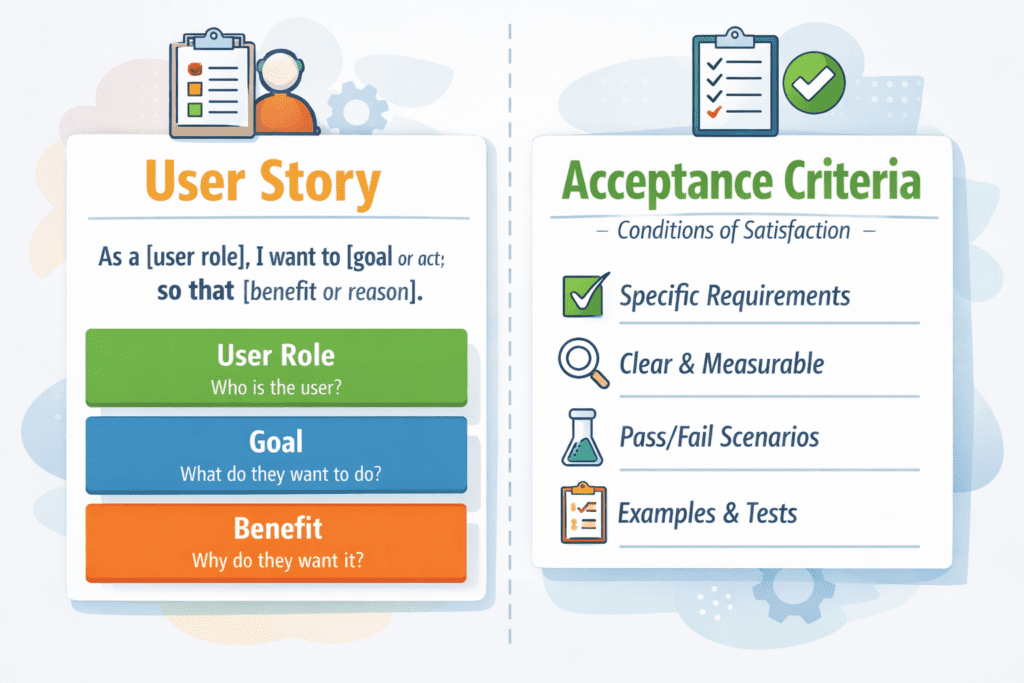
Similar to the user story, Acceptance Criteria are crucial for successful product development. User stories articulate the “who,” “what,” and “why” of a requirement, helping the team understand the desired outcome from the user’s perspective. However, without clear acceptance criteria, user stories can be open to interpretation, leading to inconsistencies and misunderstandings. This blog explores

Acceptance Criteria for User Stories with Examples Read More »

Impediments: Examples and Strategies for Scrum Masters

Mastering impediments is crucial to the Scrum Master’s role in fostering a high-performing Scrum Team. Impediments are obstacles that hinder the progress of the Scrum Team in achieving its Sprint Goal. They can come in all shapes and sizes. They can be technical (missing resources, software glitches), organizational (unclear priorities, stakeholder interference), or even interpersonal

Impediments: Examples and Strategies for Scrum Masters Read More »

Sprint Goal in Scrum with Examples

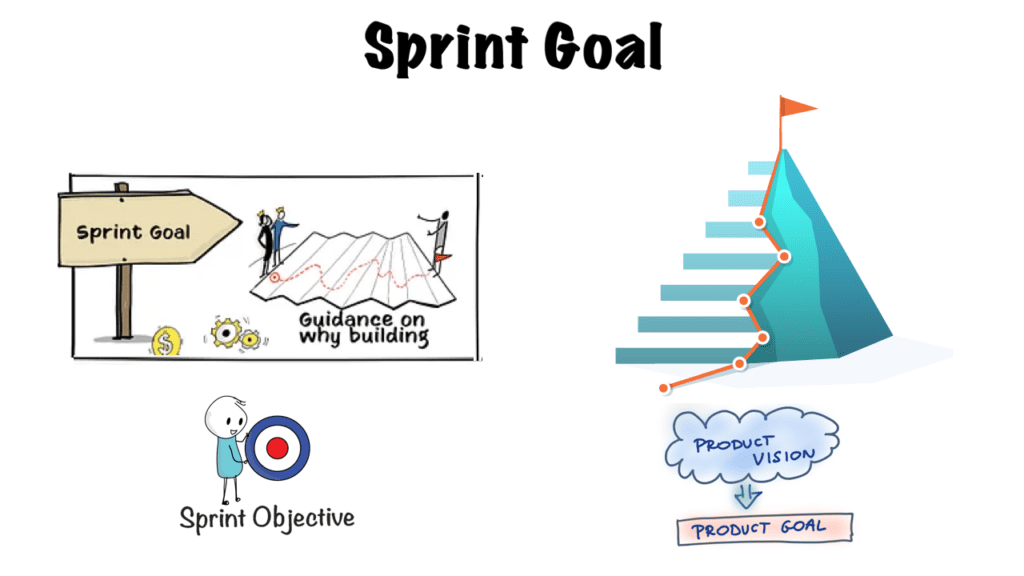
A Sprint Goal is a short, clear, and motivating target the Scrum Team aims to achieve during a sprint. It provides a unifying purpose, aligning the team’s efforts toward a common objective. In the Scrum framework, the Sprint Goal is a crucial aspect that brings focus, coherence, and direction to each sprint. This blog post

Sprint Goal in Scrum with Examples Read More »

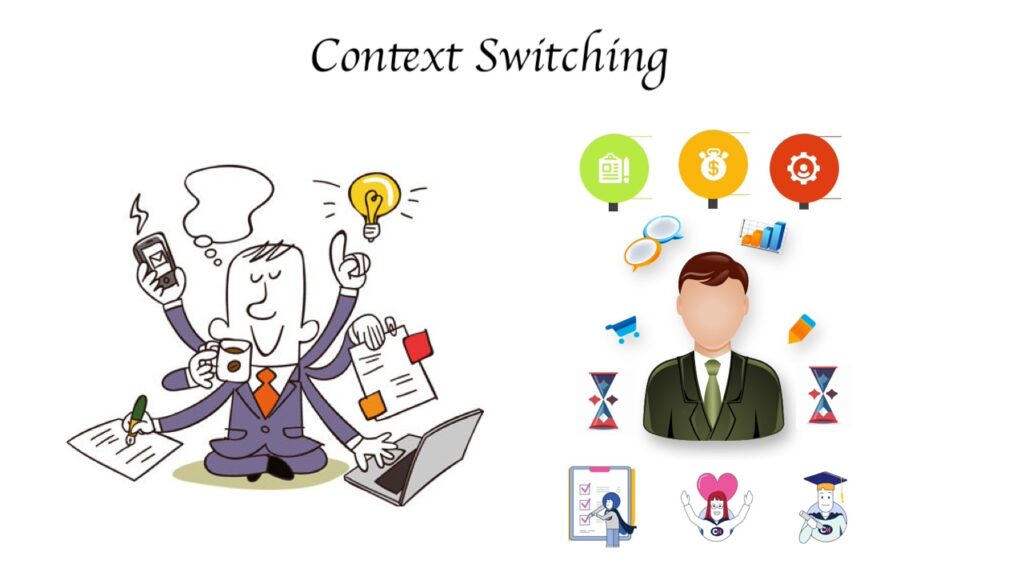
Context Switching – Measure and Avoid

Context switching refers to changing focus or shifting attention from one task or activity to another. In the context of software development or project management, context switching often refers to the practice of moving between different tasks, projects, or priorities. There are several implications and challenges: Loss of Productivity, Reduced Concentration, Increased Errors, Delay in

Context Switching – Measure and Avoid Read More »

CAPM Practice Exam Practice Mode Questions

CAPM Practice Exam – Prepare with high-quality, scenario-based questions. CAPM Practice Exam is designed to validate foundational project management knowledge, covering essential concepts, approaches, techniques, and industry standards. This simulator offers scenario-based questions with detailed explanations and topic-specific coverage. The Certified Associate in Project Management (CAPM) certification provides professionals with the skills to implement effective project practices

CAPM Practice Exam Practice Mode Questions Read More »

CAPM Certification – Tips and Tricks for Exam

The CAPM certification, provided by the Project Management Institute (PMI), is an internationally acknowledged certification designed for aspiring project managers who are new to the field or have limited experience. This certification validates the foundational understanding and skills of individuals in project management, encompassing essential concepts, approaches, techniques, and industry standards. CAPM certification serves as

CAPM Certification – Tips and Tricks for Exam Read More »

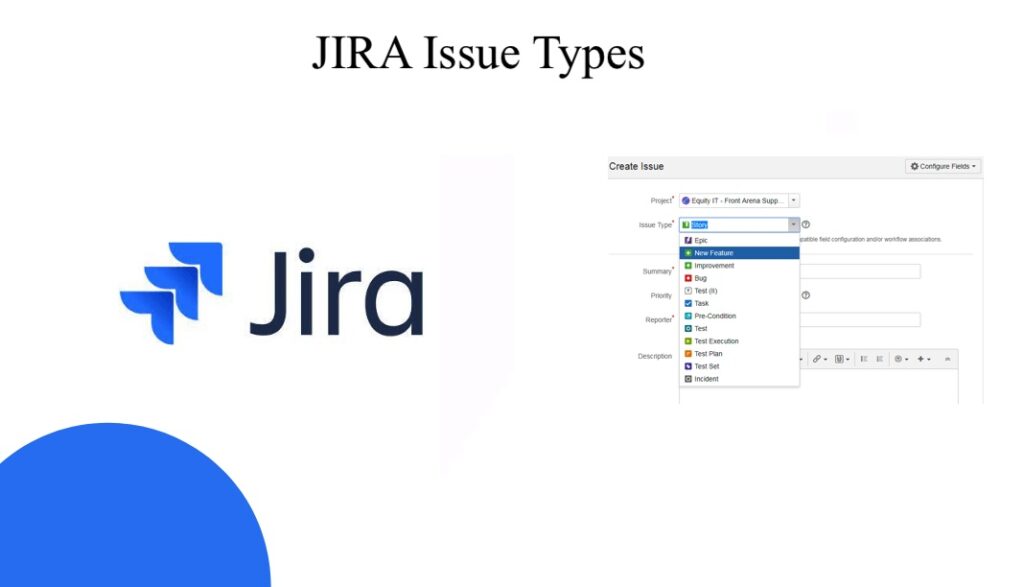
JIRA Issue Types with Examples

JIRA provides a range of default JIRA Issue Types that are the fundamental building blocks for organizing and tracking work within projects. This detailed blog post will explore JIRA Issue Types (Initiative, Capability, Epic, Story, Task & Sub-Task) supported in JIRA, providing clear definitions, practical examples, and detailed explanations. Understanding these issue types will empower

JIRA Issue Types with Examples Read More »

Saying No

Misunderstood Stances of Product Owners

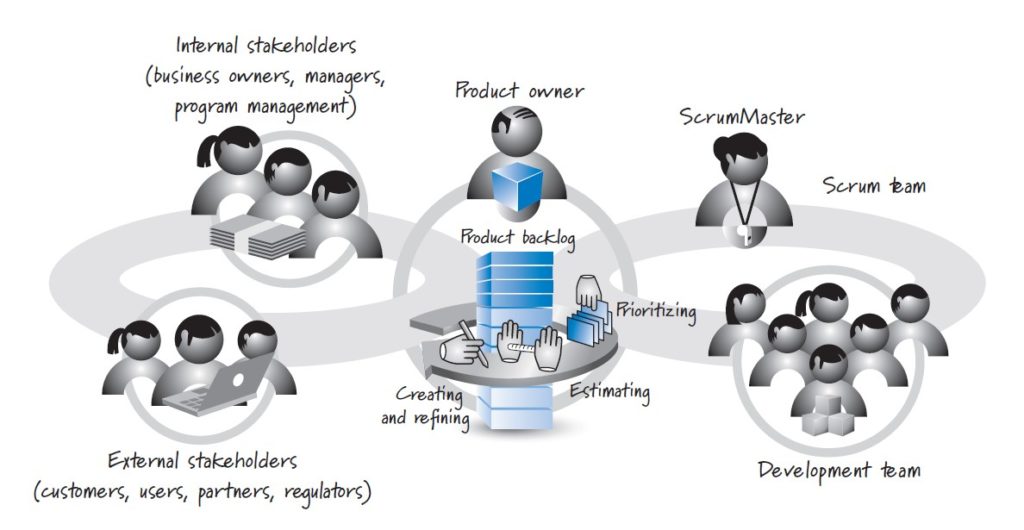
Several misunderstood stances associated with the Product Owner role can hinder the effectiveness of Scrum teams and impact product development. In this blog, we will explore six commonly misunderstood stances of Product Owners: “The Clerk, The Story Writer, The Line Manager, The Project Manager, The Subject Matter Expert, and The Gatekeeper.” We will discuss the

Misunderstood Stances of Product Owners Read More »

Scroll to Top